


Key Differences Explained
Choosing between a lab-grown and a natural diamond is one of the most common decisions facing modern jewelry buyers. As lab-created diamonds become more widely available, consumers increasingly research the differences before purchasing engagement rings, anniversary gifts, or fine jewelry.
The discussion around lab grown vs natural diamonds often focuses on value, appearance, durability and long-term considerations. While some shoppers assume there is a major difference between the two, the reality is more nuanced. Understanding how each type of diamond is created and what makes them unique can help buyers make a confident and informed decision.
Why More Buyers Are Comparing Lab-Grown and Natural Diamonds
The diamond market has evolved significantly over the past decade. Today, consumers have more choices than ever before.
The Rise of Lab-Created Diamonds in Modern Jewelry
Lab-grown diamonds have gained popularity because they offer the same visual beauty and physical characteristics as natural diamonds. Advances in technology have made these stones more accessible to consumers seeking premium diamond jewelry.
Why Natural Diamonds Continue to Hold Strong Demand
Natural diamonds remain highly sought after due to their rarity, history and traditional association with luxury jewelry. Many buyers appreciate the fact that these diamonds formed naturally over billions of years beneath the Earth’s surface.
Common Misconceptions About Lab-Grown and Natural Diamonds
One of the most common misunderstandings is that lab-grown diamonds are not real diamonds. In reality, both types share the same chemical composition. Questions surrounding natural diamonds vs lab created diamonds often arise because people confuse lab-grown diamonds with imitation stones such as cubic zirconia or moissanite.
Lab Diamond vs Real Diamond: Are They Actually Different?
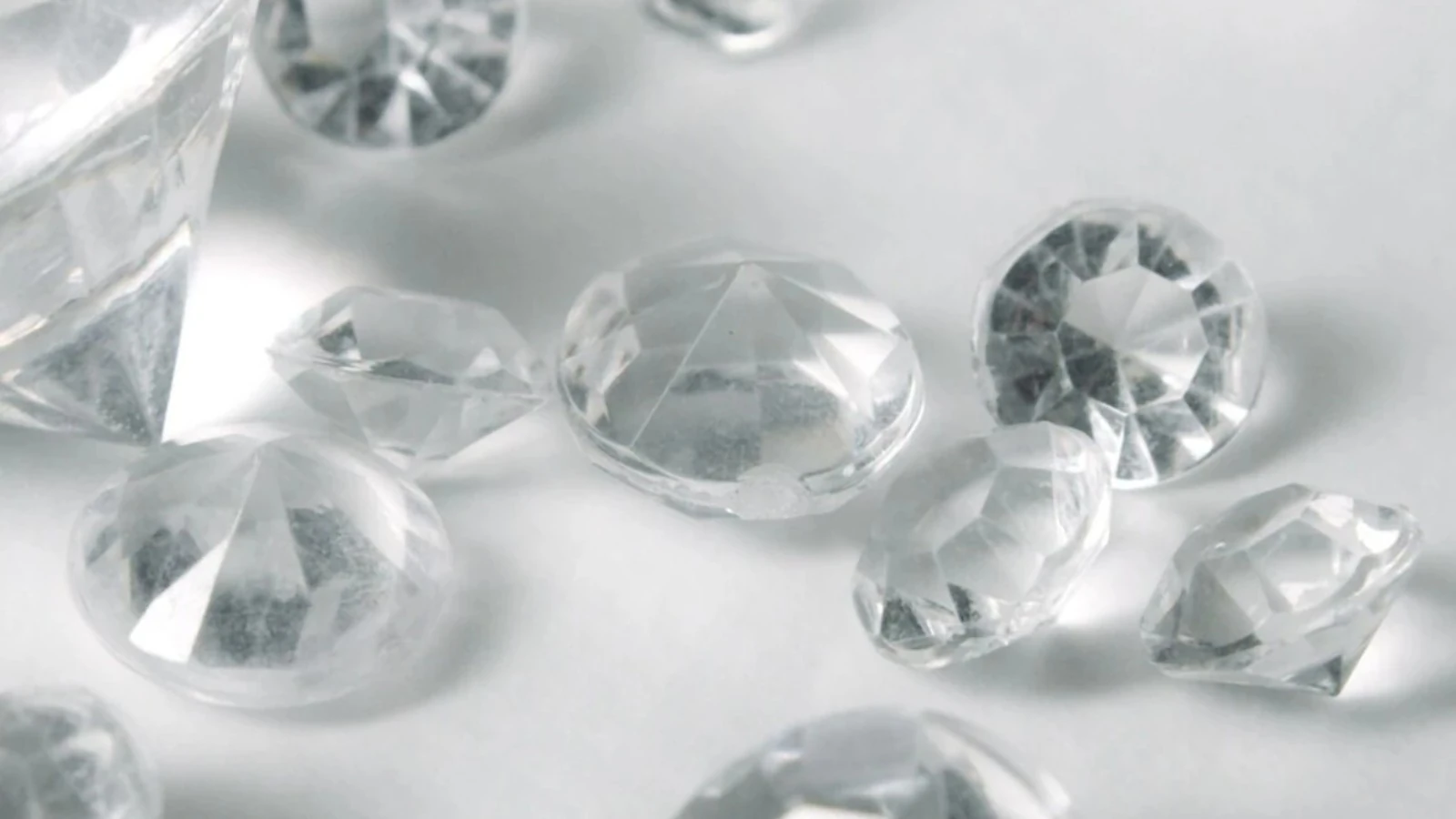
One of the most searched questions online is whether a lab diamond is a real diamond.
What Makes a Diamond a Diamond
A diamond is defined by its carbon crystal structure. Whether it forms naturally underground or is grown in a laboratory, a diamond remains a diamond if it possesses the same chemical, physical and optical characteristics.
This is why the answer to lab diamond vs real diamond may surprise many buyers. Both are real diamonds.
Physical and Optical Properties Compared
Lab-grown and natural diamonds share identical hardness, brilliance, fire and sparkle. Under normal viewing conditions, most consumers cannot distinguish one from the other.
Why Both Diamonds Receive Grading Reports
Both diamond types can receive certification from recognized gemological laboratories. These reports evaluate cut, color, clarity and carat weight, helping buyers understand the quality of the stone regardless of origin.
How Lab-Grown and Natural Diamonds Are Created
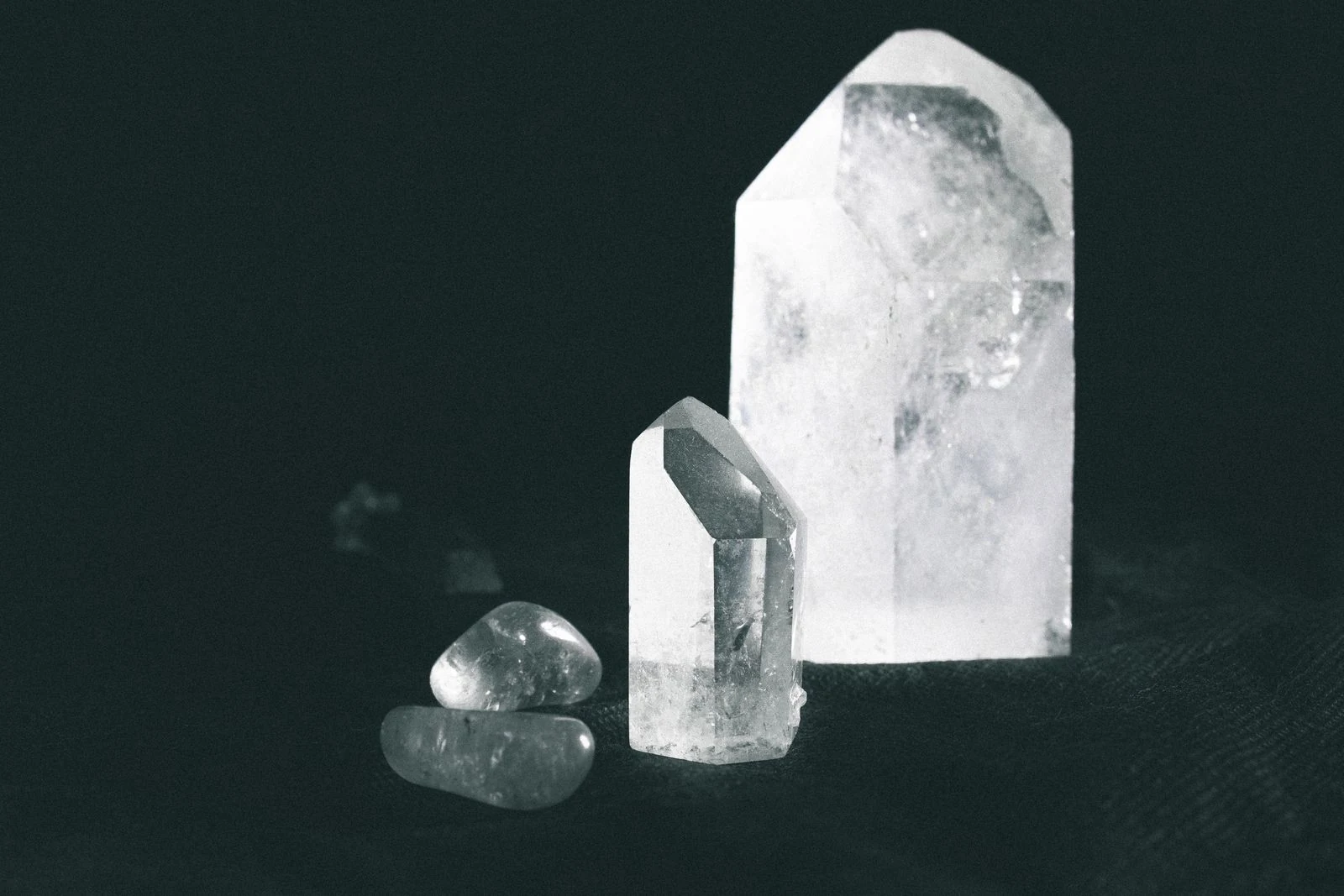
The primary difference between lab diamonds and natural diamonds is how they form.
How Natural Diamonds Form Beneath the Earth’s Surface
Natural diamonds develop deep within the Earth under extreme heat and pressure. This process takes place over billions of years before geological activity brings the diamonds closer to the surface where they can be mined.
How Lab-Grown Diamonds Are Produced in Controlled Environments
Lab-grown diamonds are created using advanced technology that replicates the conditions necessary for diamond growth. Instead of taking billions of years, the process can be completed in a matter of weeks.
HPHT and CVD Diamond-Growing Methods Explained
The two primary production methods are:
- HPHT (High Pressure High Temperature)
- CVD (Chemical Vapor Deposition)
Both methods produce genuine diamonds with the same crystal structure and composition found in natural stones.
Explore Our Lab-Grown Diamond Jewelry
Lab-Grown vs Natural Diamonds Comparison Table
Quick Comparison of Natural Diamonds vs Lab-Created Diamonds
| Factor | Natural Diamonds | Lab-Grown Diamonds |
|---|---|---|
| Origin | Formed naturally over billions of years | Created in laboratory conditions |
| Chemical Composition | Carbon crystal | Carbon crystal |
| Appearance | Identical to lab-grown diamonds | Identical to natural diamonds |
| Hardness | 10 on Mohs scale | 10 on Mohs scale |
| Certification | Yes | Yes |
| Rarity | Naturally limited supply | Manufactured supply |
| Price | Higher | Typically lower |
| Long-Term Value Retention | Historically stronger | More variable |
| Environmental Considerations | Depends on sourcing practices | Depends on energy source and production methods |
Difference Between Lab Diamonds and Natural Diamonds in Appearance
Can the Average Buyer Tell Them Apart?
In most cases, no. Even experienced jewelry buyers generally cannot identify a diamond’s origin through visual inspection alone.
How Gemological Laboratories Identify Origin
Professional laboratories use advanced equipment to detect microscopic growth characteristics and internal patterns unique to each production method.
Why Sparkle, Fire and Brilliance Are Virtually Identical
Because both diamonds possess the same crystal structure, their interaction with light is essentially the same. This results in comparable brilliance and visual appeal.
Lab Diamonds or Natural Diamonds: Comparing Durability and Daily Wear
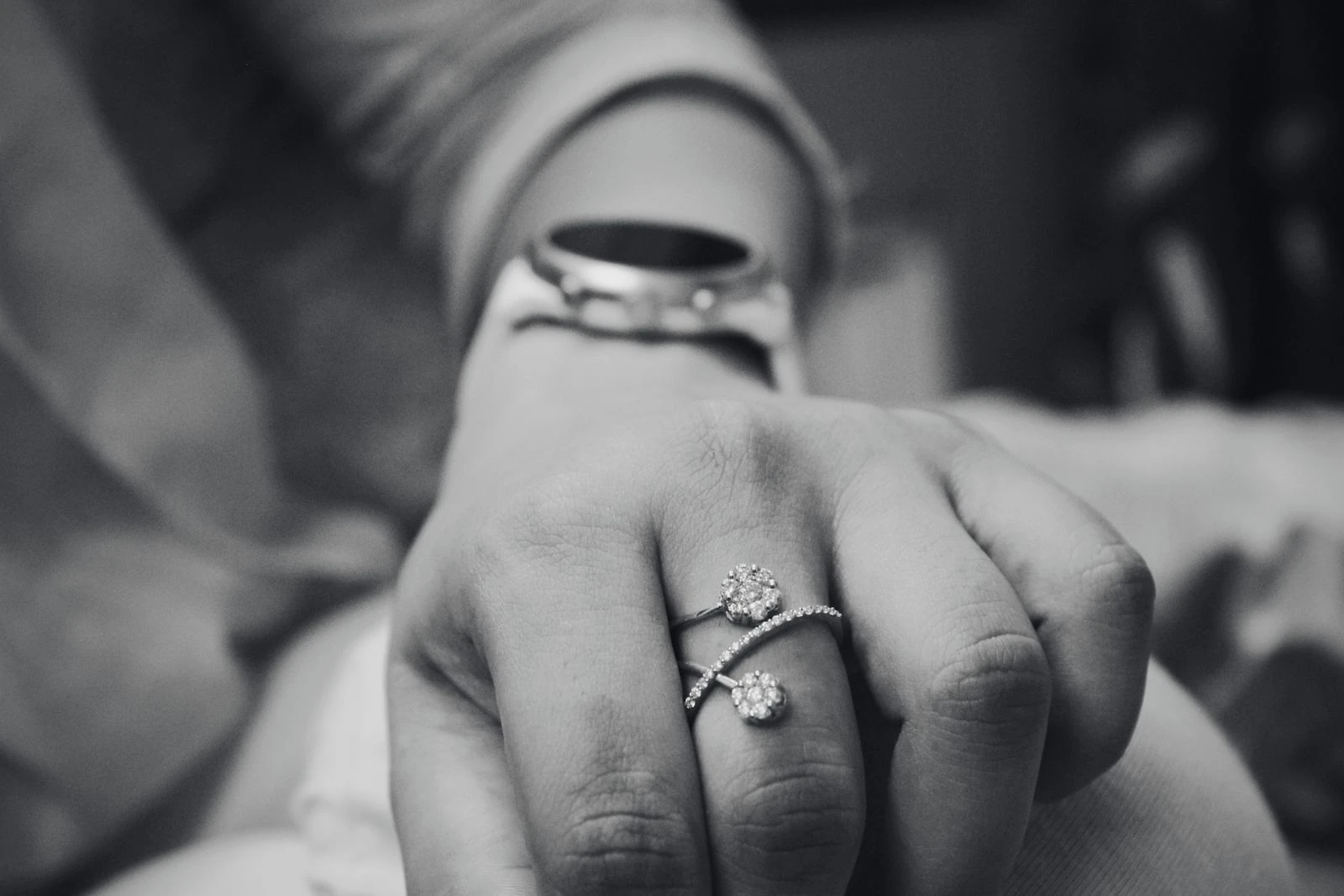
Scratch Resistance and Hardness
Both natural and lab-grown diamonds rank 10 on the Mohs hardness scale, making them the hardest commonly used gemstone in jewelry.
Resistance to Chipping and Breakage
Both diamond types offer excellent durability. Properly set diamonds can withstand normal daily wear for many years.
Suitability for Engagement Rings and Heirloom Jewelry
Whether choosing diamond rings for an engagement or investing in future heirloom pieces, both options provide exceptional durability and longevity.
How Price Differences Influence Buying Decisions
Why Lab-Grown Diamonds Generally Cost Less
Lab-grown diamonds benefit from controlled production processes and greater supply availability, which often results in lower prices.
What Buyers Can Get Within the Same Budget
A buyer working with a fixed budget can often choose a larger stone or higher-quality specifications when selecting a lab-grown diamond.
Size Versus Rarity Considerations
For some buyers, larger size and visual impact are the priority. Others place greater value on natural rarity and geological history.
Understanding Value Retention and Resale Expectations
Factors Affecting Natural Diamond Value Over Time
Natural diamonds have historically maintained stronger resale demand due to limited supply and long-established market structures.
Why Resale Markets Differ for Lab-Grown Diamonds
Because lab-grown diamond production continues to expand, resale pricing may be less predictable than that of natural diamonds.
Separating Emotional Value from Financial Value
Many jewelry purchases are driven by personal meaning rather than investment goals. Engagement rings, gifts and family heirlooms often carry emotional value that extends beyond resale considerations.
Which Diamond Is Better for Different Types of Buyers?
Best Choice for Buyers Prioritizing Rarity and Heritage
Natural diamonds may appeal to those who value geological history, rarity and traditional luxury.
Best Choice for Buyers Focused on Size and Budget
Lab-grown diamonds often appeal to buyers who want to maximize carat size or quality within a specific budget.
Best Choice for Engagement Ring Shoppers
Both options work exceptionally well for engagement rings. The best choice depends on individual priorities and preferences.
Best Choice for Luxury Jewelry Collectors
Collectors may appreciate either option depending on their focus, whether that is rarity, craftsmanship, or overall design.
Find the Perfect Lab-Grown Diamond Piece
Questions to Ask Before Choosing a Diamond
What Is Your Budget?
Determining your budget can help narrow your options and identify the best value.
How Important Is Natural Rarity?
Some buyers value rarity and geological origin, while others prioritize size, quality, or customization.
Are You Purchasing for Daily Wear or Collecting?
The intended purpose may influence your decision, particularly when comparing long-term priorities.
What Type of Certification Accompanies the Diamond?
Always review certification reports and grading information before purchasing any diamond.
Explore Certified Diamond Jewelry at HVJ Diamonds
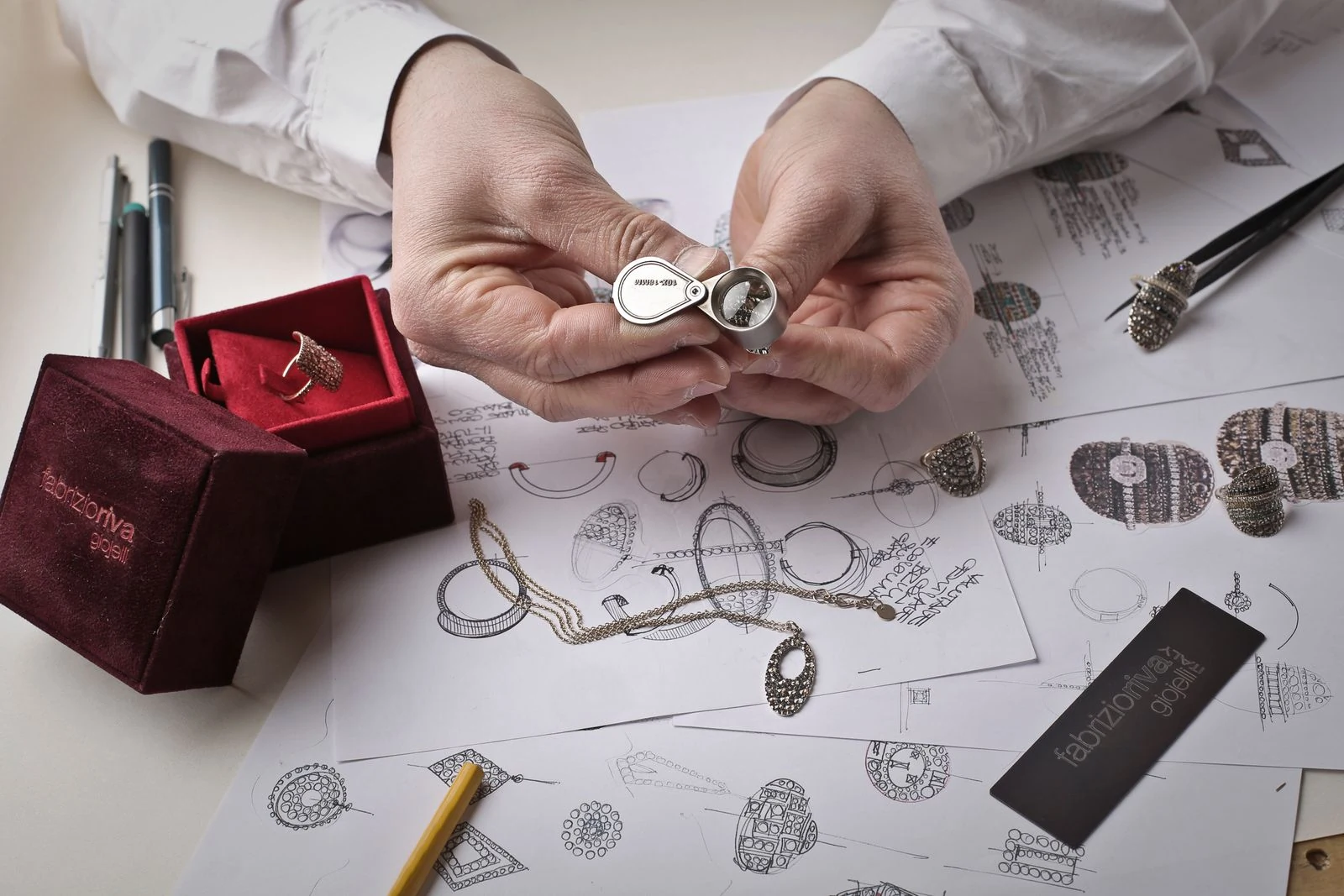
Choosing a diamond involves more than comparing specifications. Quality craftsmanship, reliable certification and expert guidance all play important roles in finding the right piece.
Diamond Jewelry Crafted With Certified Stones
HVJ Diamonds offers lab-grown diamond jewelry featuring carefully selected and certified diamonds designed to meet high quality standards.
Expert Guidance for Selecting the Right Diamond
Whether you’re comparing stones, reviewing certifications, or exploring different settings, informed guidance helps simplify the buying process.
Explore Engagement Rings and Fine Diamond Jewelry Collections
From elegant luxury necklaces and sophisticated lab-grown diamond earrings to engagement rings and timeless jewelry collections, HVJ Diamonds offers beautifully crafted pieces designed for modern buyers. Those new to the category may also find it helpful to learn what are lab-grown diamonds before making a final decision.
Frequently Asked Questions
Are lab-grown diamonds real diamonds?
Yes. Lab-grown diamonds are real diamonds with the same chemical and physical properties as natural diamonds.
What is the biggest difference between lab-grown and natural diamonds?
The primary difference is origin. Natural diamonds form underground, while lab-grown diamonds are created in controlled environments.
Can jewelers tell the difference between lab-grown and natural diamonds?
Not through visual inspection alone. Specialized equipment is typically required.
Do lab-grown diamonds last as long as natural diamonds?
Yes. Both offer the same durability and hardness.
Why are lab-grown diamonds less expensive?
They are produced through controlled manufacturing processes and generally have greater market availability.
Do natural diamonds hold their value better?
Historically, natural diamonds have demonstrated stronger resale performance, although market conditions can vary.
Which is better for an engagement ring: a lab-grown or natural diamond?
Neither option is universally better. The right choice depends on your priorities regarding budget, size, rarity and personal preferences.