


What Makes the Price Difference
Yes, lab-grown diamonds are significantly cheaper than natural diamonds, but the lower price does not mean they are fake or inferior. The difference comes mainly from how they are produced, how widely they can be supplied and how rarity affects market pricing. Natural diamonds require mining, extraction, transport and a limited geological supply. Lab-grown diamonds can be created in controlled environments using repeatable technology. This guide explains why lab grown diamonds are cheaper, what affects their price and whether they offer good value for modern jewelry buyers.
Are Lab-Grown Diamonds Cheaper Than Natural Diamonds?
Yes. Buyers comparing similar carat weight, cut, color and clarity can often find lab-grown diamonds priced 50% to 90% lower than natural diamonds.
Despite the lower price, both types can have nearly identical appearance, hardness, brilliance and grading characteristics. Lab-grown and natural diamonds can also receive reports from recognized gemological laboratories.
The answer to this is clear. Their lower cost reflects differences in origin, supply and production, not whether they qualify as real diamonds.
Find More Value in Every Carat
Why Are Lab-Grown Diamonds Cheaper?

Several connected factors explain why lab grown diamonds are cheaper than mined stones.
They Can Be Created in a Laboratory
Lab-grown diamonds are produced through HPHT or CVD technology. These methods recreate the heat, pressure and carbon conditions needed for diamond formation without waiting billions of years for natural geological processes.
Readers interested in the full production process can explore how lab grown diamonds are made.
Supply Is Much Higher
Laboratory production can increase as demand grows. Manufacturers do not depend on discovering new diamond deposits, making supply more predictable than natural diamond availability.
Mining Costs Are Eliminated
Natural diamond pricing reflects mining, extraction, heavy equipment, labor, transport, sorting and environmental management. Laboratory production still requires energy and specialist equipment, but it removes many mining-related costs.
They Are Not Naturally Rare
Natural diamonds exist in limited geological deposits. Lab-grown diamonds can be produced repeatedly, so they do not carry the same premium associated with natural scarcity.
Manufacturing Technology Has Improved
Better equipment, faster growth cycles, improved yields and wider industry expertise have reduced production costs. Increased efficiency has also made high-quality diamonds more accessible.
Why Are Lab-Grown Diamonds So Much Cheaper?
The answer to why lab grown diamonds are so much cheaper combines lower production expenses, greater manufacturing capacity, stronger competition and fewer supply constraints.
As more producers enter the market, pricing becomes more competitive. Retailers can offer larger stones and higher grades without the scarcity premium attached to mined diamonds.
Cheaper does not mean lower quality. It means the production and supply economics are different.
Does Being Cheaper Mean Lower Quality?
No. Lab-grown diamonds have the same carbon crystal structure as natural diamonds. They rank 10 on the Mohs hardness scale and display the same brilliance, fire and scintillation when cut well.
Both types are assessed through the 4Cs:
- Cut
- Color
- Clarity
- Carat weight
Buyers asking are lab diamonds real diamonds should understand that price and authenticity are separate issues.
Price Comparison Between Lab-Grown and Natural Diamonds
| Feature | Lab-Grown Diamond | Natural Diamond |
|---|---|---|
| Price | Lower | Higher |
| Origin | Laboratory | Earth |
| Hardness | 10 | 10 |
| Appearance | Identical | Identical |
| Certification | Yes | Yes |
| Formation Time | Weeks | Billions of years |
What Determines the Price of a Lab-Grown Diamond?
Carat Weight
Larger diamonds generally cost more because they require more growth time and usable crystal material.
Cut Quality
Cut strongly affects sparkle. A well-cut diamond usually commands a higher price than a poorly proportioned stone.
Color Grade
Diamonds closer to colorless are generally priced higher.
Clarity Grade
Higher clarity grades cost more, although many buyers choose eye-clean stones for better value.
Certification
A grading report confirms the diamond’s specifications and origin. Certification supports transparency and more accurate comparisons.
Will Lab-Grown Diamond Prices Continue to Fall?
Prices may continue changing as production becomes more efficient and market competition grows. However, future pricing also depends on consumer demand, manufacturing costs, energy prices and supply.
Buyers should avoid treating either diamond type as a guaranteed investment. Jewelry is often purchased for beauty, meaning and personal value rather than predictable resale performance.
Are Lab-Grown Diamonds Worth Buying?
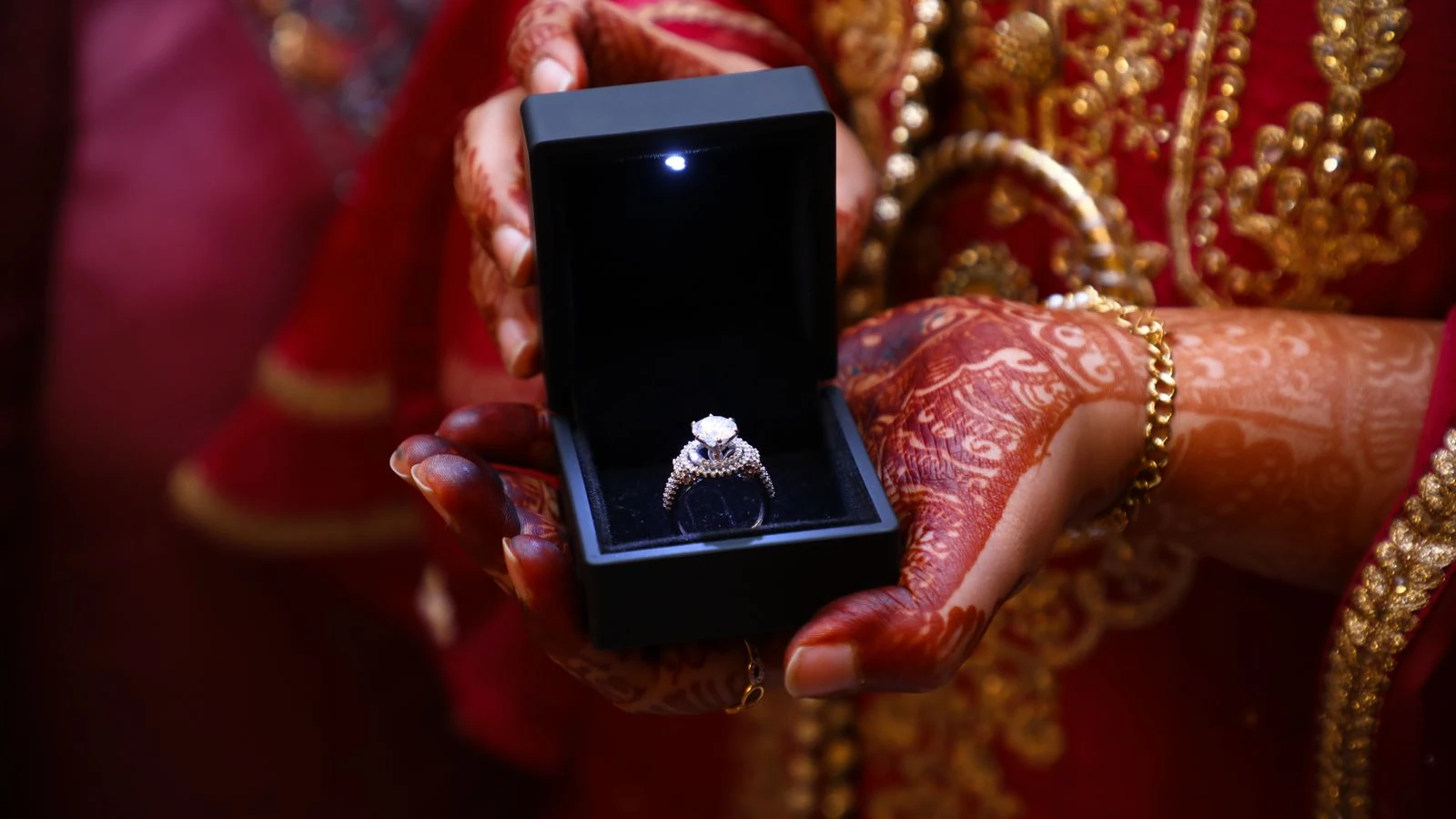
Lab-grown diamonds can be a strong choice for buyers who want exceptional beauty, larger carat sizes and better specifications within a fixed budget.
They offer identical hardness and visual performance while providing clearer production traceability. Their popularity has increased across lab-grown diamond rings, luxury necklaces and diamond earrings.
Those new to the category can begin with What are lab-grown diamonds before comparing individual stones.
Get More Diamond for Your Budget
Common Myths About Lab-Grown Diamond Pricing
Cheaper Means Fake
Lab-grown diamonds are real diamonds. Their lower price reflects supply and production differences.
They Don’t Last
They have the same hardness as natural diamonds and are suitable for long-term wear.
They Look Different
Well-cut lab-grown and natural diamonds appear the same without specialist testing.
Jewelers Can Easily Tell Without Equipment
Visual inspection is generally not enough. Professionals use specialized instruments and certification records to identify origin. HVJ Diamonds provides certified stones with clear product information, and buyers choosing a stone can also review Diamond Shapes or the full How to buy an engagement ring guide.
Frequently Asked Questions
Why are lab-grown diamonds cheaper?
They cost less because laboratory production avoids mining expenses and creates a more predictable supply.
Are lab-grown diamonds cheaper than natural diamonds?
Yes. Comparable lab-grown diamonds are usually significantly less expensive than natural stones.
Why are lab-grown diamonds so much cheaper?
Improved production, greater competition, higher supply and lower extraction costs reduce their market price.
Why are lab-grown diamonds cheaper than natural diamonds?
Natural diamonds carry a rarity premium and substantial mining costs that laboratory production does not require.
Are lab-grown diamonds real diamonds?
Yes. They share the same carbon structure, hardness and optical properties as natural diamonds.
Do lab-grown diamonds sparkle the same?
Yes. Sparkle depends mainly on cut quality rather than whether the diamond formed underground or in a laboratory.
Will lab-grown diamonds lose value?
Their resale value can vary as production and pricing change. Buyers should prioritize beauty, quality and personal meaning rather than guaranteed financial returns.