


What’s the Difference?
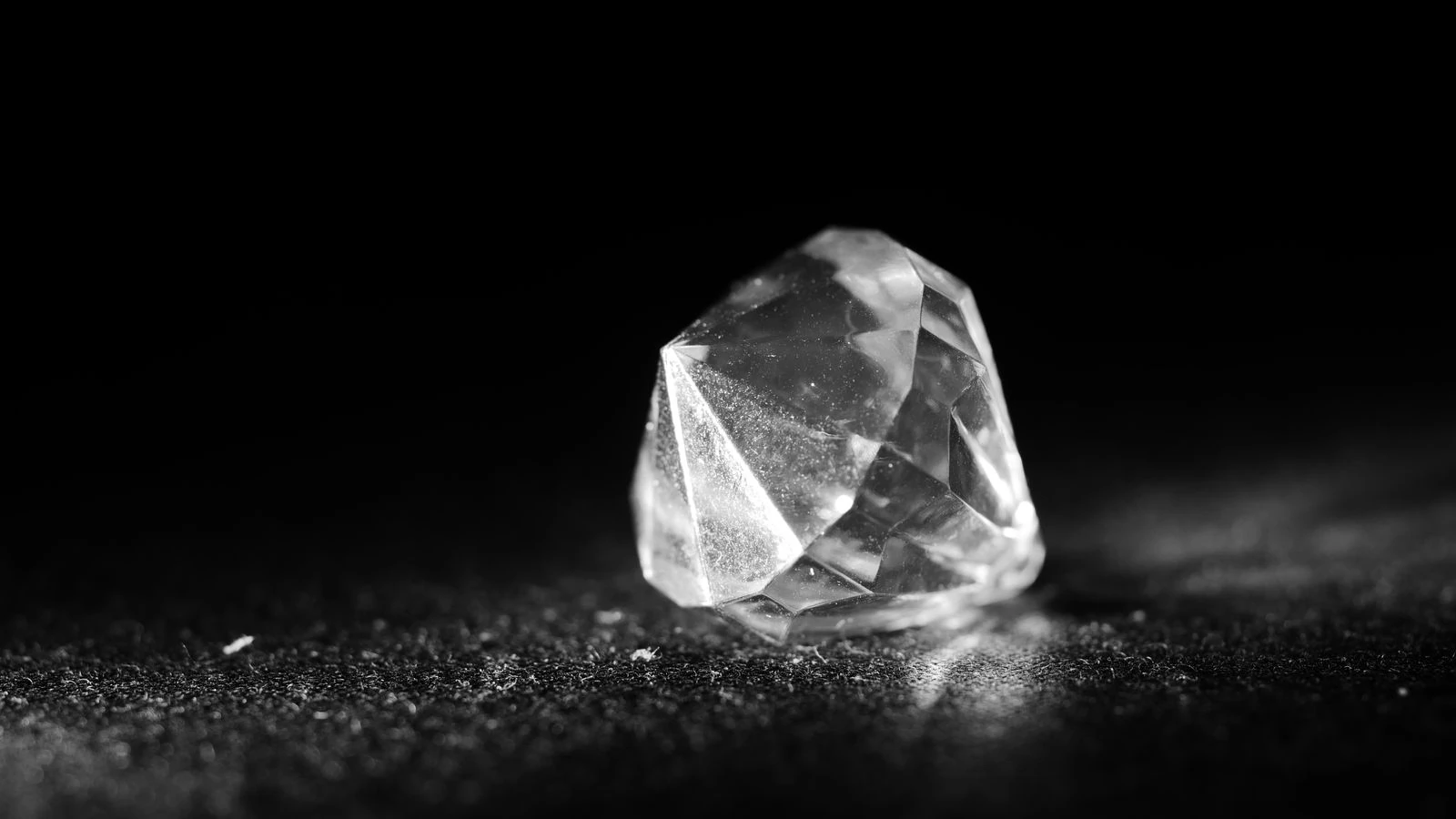
Many buyers confuse diamond cut and diamond shape when comparing stones. The difference matters because each one affects a diamond in a different way. Shape refers to the diamond’s outline, such as round, oval, pear, or emerald. Cut refers to how well the facets are proportioned and polished to interact with light. Understanding diamond cuts and shapes helps buyers choose a lab-grown diamond that matches their style, sparkle preference and budget.
Diamond Shape and Diamond Cut Are Not the Same
The diamond cut vs shape distinction is one of the most important basics in diamond buying. Shape affects the diamond’s visible form, while cut quality affects brilliance, fire and scintillation. Buyers often use the words interchangeably, but the difference can strongly influence how a diamond looks in real jewelry.
What Is Diamond Shape?
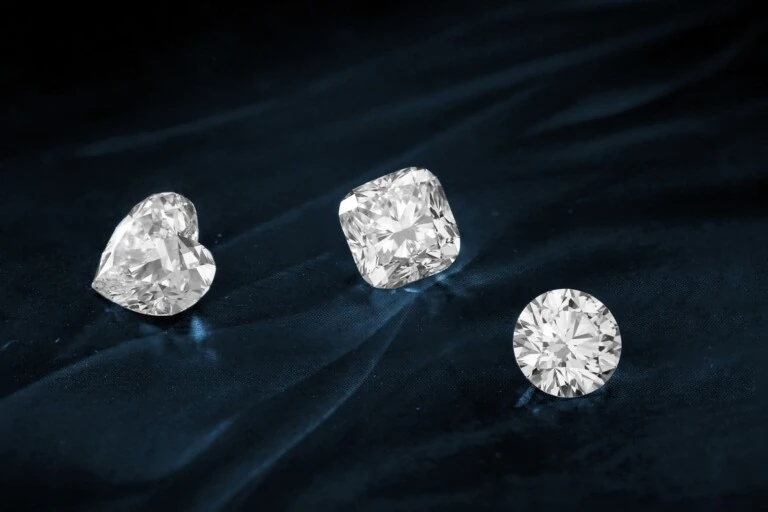
Diamond shape is the outline of the stone when viewed from above. Popular shapes include round, oval, cushion, princess, emerald, pear, radiant, marquise, Asscher and heart.
What Is a Diamond Cut?
Diamond cut refers to facet arrangement, symmetry, proportions and polish. A well-cut diamond reflects light more effectively and appears brighter.
Why Buyers Often Confuse Cut and Shape
The confusion happens because many shape names include the word “cut,” such as emerald cut or princess cut. In buying terms, however, shape and cut quality are different factors.
Find the Diamond Shape That Matches Your Style
How Diamond Shape Influences Style
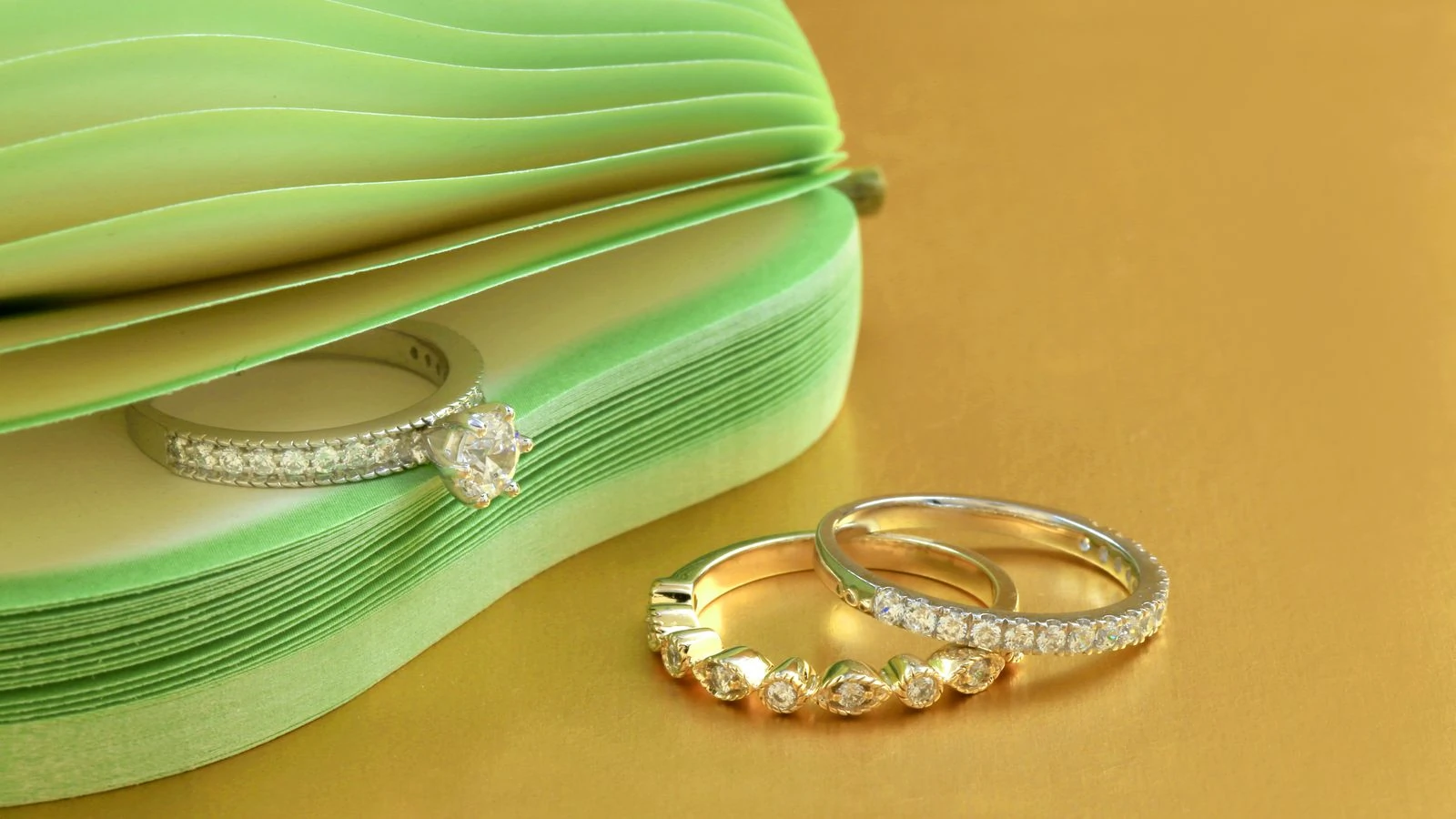
Diamond shape is largely a matter of personal taste. It influences how a diamond looks on the hand, how it pairs with settings and how it fits different jewelry styles.
Round
Round diamonds are classic and known for strong sparkle.
Oval
Oval diamonds create an elongated, elegant look and often appear larger.
Princess
Princess diamonds have a square shape with a modern appearance.
Cushion
Cushion diamonds have soft corners and a romantic style.
Emerald
Emerald diamonds feature clean step-cut lines and a refined look.
Pear
Pear diamonds create a graceful teardrop shape.
Radiant
Radiant diamonds combine a bold outline with strong sparkle.
Marquise
Marquise diamonds look dramatic and can lengthen the finger visually.
Asscher
Asscher diamonds have vintage character and geometric symmetry.
Heart
Heart-shaped diamonds are symbolic, romantic and distinctive.
For a deeper shape comparison, read Diamond Shapes Explained.
How Diamond Cut Affects Sparkle
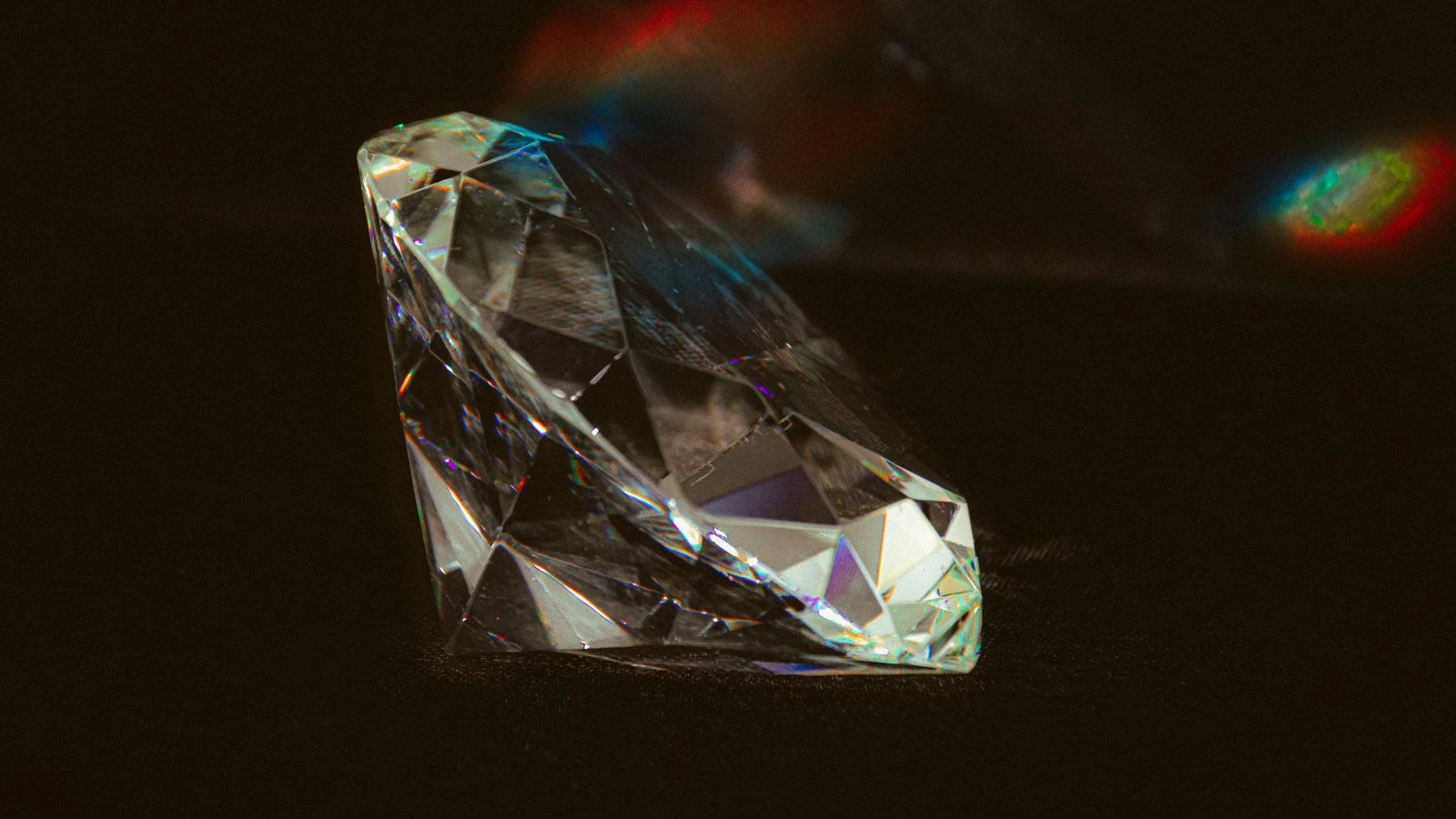
Cut quality is one of the biggest factors behind a diamond’s visual beauty. Even a high-carat diamond can look dull if it is poorly cut.
Light Performance
Light performance describes how well a diamond returns light to the eye. Better light return creates stronger brilliance.
Facet Precision
Facet precision affects how cleanly light moves through the diamond. Symmetry and polish both contribute to beauty.
Cut Grades Explained
Cut grades usually range from poor to excellent, depending on the grading system. Higher cut grades generally indicate better proportions and polish.
Why Excellent Cut Matters
An excellent cut can make a diamond appear brighter, more balanced and more visually attractive.
Diamond Cut vs Shape Comparison
Definition
Shape is the outline. Cut quality is how well the diamond is faceted and finished.
What It Affects
Shape affects style and visual character. Cut affects sparkle, fire and brilliance.
Can You Change the Shape?
A finished diamond’s shape cannot be changed without recutting the stone, which reduces weight.
Can Two Diamonds Share the Same Shape but Different Cut Quality?
Yes. Two oval diamonds can have the same shape but very different brilliance depending on cut quality.
Which Has the Bigger Impact on Appearance?
Both matter, but cut quality usually has the bigger effect on sparkle. Shape has the bigger effect on style.
Brilliant Sparkle Starts With the Right Cut
Which Is More Important When Buying a Diamond?
The best approach is to choose shape first, then prioritize the best cut quality available within your budget.
If You Want Maximum Sparkle
Choose a round brilliant diamond with excellent cut quality.
If You Prefer a Unique Look
Consider oval, pear, emerald, Asscher, or marquise shapes.
Finding the Right Balance
Select a shape that matches your style, then compare cut quality, certification, carat weight and price.
Popular Diamond Shapes and Their Recommended Cut Quality
Round Brilliant Diamonds
Prioritize excellent cuts because round diamonds are valued heavily for brilliance.
Oval Diamonds
Look for balanced proportions, strong sparkle and minimal bow-tie effect.
Princess Diamonds
Choose strong symmetry and protected corners for better durability.
Cushion Diamonds
Compare facet style carefully, since cushion diamonds can vary in sparkle and appearance.
Emerald Diamonds
Clarity and polish are important because step-cut facets make inclusions easier to see.
Choosing the Right Diamond for Your Jewelry
The right choice depends on jewelry type, personal style and how the piece will be worn. Buyers comparing rings may prioritize shape and setting, while shoppers choosing diamond earrings may focus on symmetry and matching stones.
Engagement Rings
For engagement rings, shape affects personality, while cut quality affects brilliance. Buyers can also read How to buy an engagement ring before selecting a final stone.
Earrings
Diamond earrings often work best with round, oval, princess, or pear shapes because they offer strong sparkle and balanced proportions.
Pendants
Pendants and necklaces allow more flexibility, including emerald, pear, radiant and heart-shaped diamonds.
Tennis Bracelets
For tennis bracelets, consistent shape, size and cut quality create a polished look across the full bracelet.
Shop Lab-Grown Diamonds in Every Shape
Lab-grown diamonds are available in every popular shape, from classic round diamonds to modern oval, emerald, cushion and pear designs. They offer the same chemical, physical and optical properties as mined diamonds while giving buyers more flexibility in size and budget.
If you are still learning about these stones, start with What are lab-grown diamonds, then review Are lab diamonds real diamonds? and How are lab grown diamonds made? for more detail.
HVJ Diamonds offers lab-grown diamond jewelry crafted with refined shapes, strong cut quality and lasting beauty for modern buyers.
FAQ
Is diamond cut the same as diamond shape?
No. Diamond shape is the outline of the stone, while cut refers to facet quality, proportions, symmetry and polish.
What is the difference between diamond cut and shape?
Shape affects style and appearance. Cut affects sparkle, brilliance and light performance.
Does cut or shape affect sparkle more?
Cut affects sparkle more because it controls how well light reflects through the diamond.
Which diamond shape sparkles the most?
Round brilliant diamonds usually sparkle the most because their facet pattern is optimized for light return.
Can two diamonds have the same shape but different cut grades?
Yes. Two diamonds can share the same shape but have very different cut quality and sparkle.
What is the best cut grade for a lab-grown diamond?
Excellent cut is usually preferred when available, especially for buyers who want maximum brilliance.
Does diamond shape affect price?
Yes. Shape can affect price because cutting difficulty, demand and rough diamond use vary.
How do I choose between different diamond cuts and shapes?
Choose the shape based on style, then compare cut quality, certification, budget and jewelry setting.
Which diamond shape looks the largest?
Oval, marquise, pear and emerald diamonds often look larger than round diamonds of the same carat weight.
Are diamond cuts and shapes the same for lab-grown diamonds?
Yes. Lab-grown diamonds are available in the same shapes and cut styles as mined diamonds.