


Complete Buyer’s Guide
When shopping for fine jewelry, one of the most common questions buyers ask is: are lab diamonds real? The confusion often comes from the fact that lab-grown diamonds are created in controlled environments rather than mined from the earth. Because of this difference in origin, many people wonder whether they possess the same qualities as traditional diamonds.
If you’ve ever asked yourself, “is a lab diamond a real diamond?”, you’re not alone. In this guide, we’ll explain what makes a diamond real, how lab-grown diamonds are created, how they compare to mined diamonds and why they have become a popular choice for modern jewelry buyers.
The Short Answer: Yes, Lab Diamonds Are Real Diamonds
The simple answer is yes. Lab-grown diamonds are real diamonds. They share the same chemical composition, crystal structure and physical properties as diamonds formed naturally beneath the Earth’s surface.
What Makes a Diamond a Diamond?
A diamond is defined by its composition and structure. Diamonds consist of carbon atoms arranged in a specific crystal pattern that gives them their exceptional hardness, brilliance and durability.
Whether a diamond forms naturally underground or in a laboratory, it remains a diamond if it possesses the same chemical and physical characteristics. This is why experts agree that this is not a matter of opinion but a matter of science.
Why Some People Think Lab Diamonds Are “Fake”
Many misconceptions exist because consumers often confuse lab-grown diamonds with diamond simulants. Since lab-grown diamonds are manufactured rather than mined, some people assume they are imitation stones.
However, genuine lab-grown diamonds are entirely different from simulated diamond alternatives. They offer the same appearance, sparkle and durability as natural diamonds.
Explore Our Lab-Grown Diamond Jewelry
How Lab-Grown Diamonds Are Created
Lab-grown diamonds are produced using advanced technology that recreates the conditions necessary for diamond formation.
Replicating Nature’s Diamond-Growing Conditions
Natural diamonds form under extreme pressure and heat deep within the Earth over millions of years. Scientists have developed methods that reproduce these conditions in controlled environments, allowing diamonds to grow in a matter of weeks.
The Two Main Methods Used to Create Lab Diamonds
HPHT (High Pressure High Temperature) replicates the intense heat and pressure responsible for natural diamond formation.
CVD (Chemical Vapor Deposition) uses carbon-rich gases that gradually deposit carbon atoms onto a diamond seed, allowing a crystal to grow layer by layer.
Both methods create genuine diamonds with the same properties as mined stones.
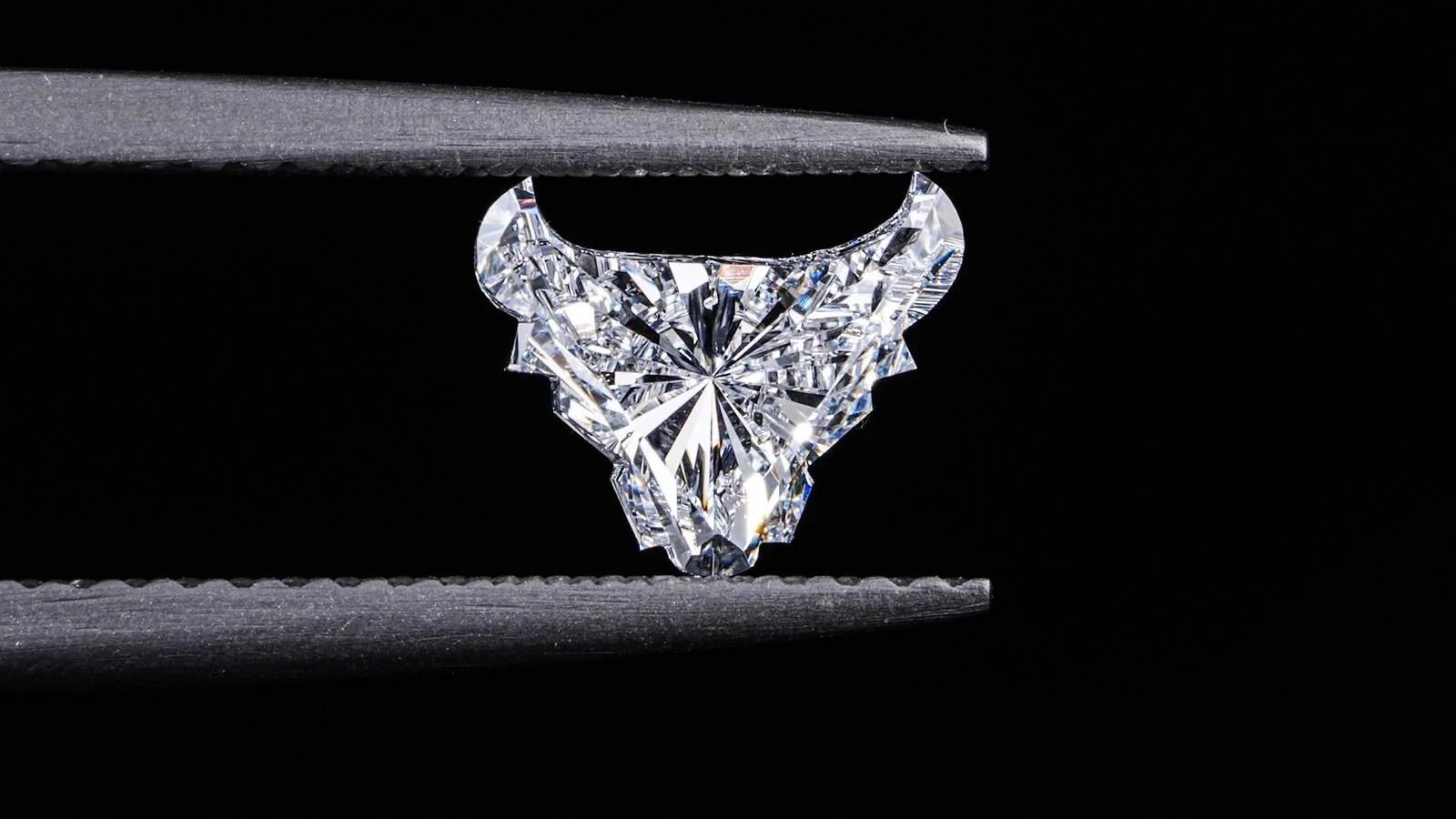
Lab-Grown Diamonds vs. Mined Diamonds: Is There a Difference?
Appearance and Sparkle
Lab-grown and mined diamonds display the same brilliance, fire and sparkle. In everyday viewing conditions, differences are generally impossible to detect without specialized equipment.
Hardness and Durability
Diamonds rank 10 on the Mohs hardness scale. Both lab-grown and natural diamonds offer excellent durability, making them ideal for daily wear and engagement rings.
Chemical and Physical Properties
The chemical composition, crystal structure, hardness and optical properties of lab-grown diamonds are identical to those of mined diamonds.
Certification and Grading Standards
Both natural and lab-grown diamonds can be graded according to recognized industry standards. Leading organizations such as the Gemological Institute of America and the International Gemological Institute provide certification reports that evaluate cut, color, clarity and carat weight.
What Lab Diamonds Are Not
Lab Diamonds vs. Cubic Zirconia
Cubic zirconia is a diamond simulant made from zirconium dioxide. While it may resemble a diamond visually, it does not possess the same chemical composition or durability.
Lab Diamonds vs. Moissanite
Moissanite is another popular diamond alternative. Although it offers impressive sparkle, it is a different gemstone with its own optical and physical characteristics.
Why Lab Diamonds Should Not Be Confused with Diamond Simulants
Lab-grown diamonds are real diamonds. Simulants merely imitate the appearance of diamonds but do not share the same composition, structure, or hardness.
Why More Jewelry Buyers Are Choosing Lab-Grown Diamonds
Exceptional Value for the Same Diamond Quality
Many buyers appreciate the ability to obtain larger or higher-quality diamonds while staying within their budget.
Access to Larger and Higher-Quality Stones
Because lab-grown diamonds are generally more affordable, customers often have more flexibility when selecting carat weight and quality specifications.
A Modern Approach to Fine Jewelry
Today’s consumers value customization, transparency and accessibility. Lab-grown diamonds align well with these preferences and have become increasingly popular for engagement rings and luxury jewelry.
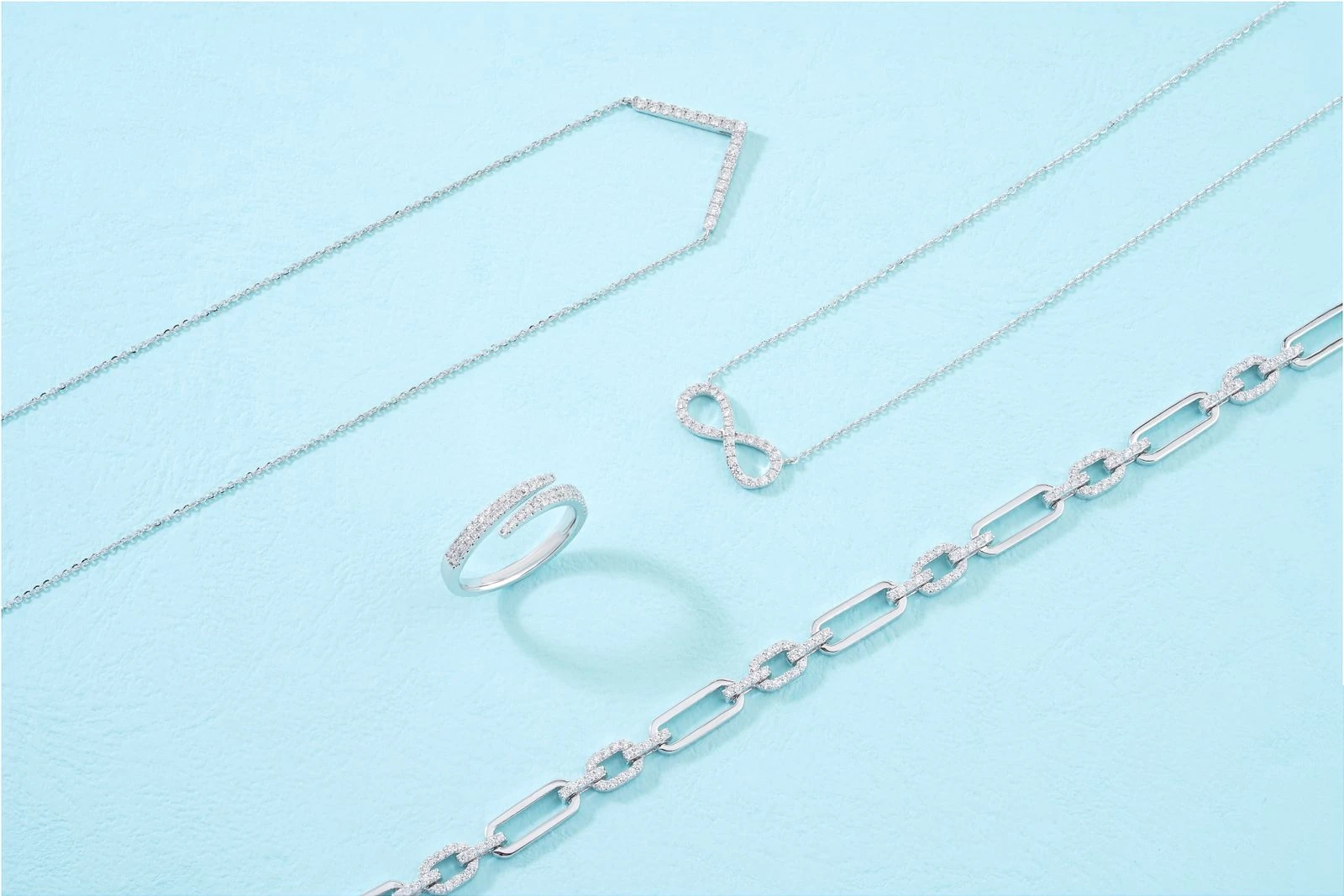
Find the Perfect Lab-Grown Diamond Piece
How Can You Tell If a Diamond Is Lab-Grown?
Can the Average Person See a Difference?
In most cases, no. Lab-grown diamonds and natural diamonds appear identical to the naked eye.
How Jewelers and Laboratories Identify Lab Diamonds
Professional laboratories use specialized equipment to identify growth patterns and microscopic characteristics that distinguish lab-grown diamonds from mined diamonds. Certification reports also clearly indicate diamond origin.
Are Lab Diamonds Worth Buying?
Who Should Consider a Lab-Grown Diamond?
Lab-grown diamonds are ideal for buyers seeking excellent beauty, durability and value without compromising on quality.
Key Questions to Ask Before Purchasing
Before buying, consider:
- Certification
- Diamond quality
- Metal type
- Setting style
- Budget
- Warranty or return policies
Choosing a Trusted Lab-Grown Diamond Jeweler
Look for jewelers that provide certified diamonds, transparent information, quality craftsmanship and strong customer support. Whether you’re shopping for lab-grown diamond jewelry, diamond rings, luxury necklaces or lab-grown diamond earrings, choosing a reputable retailer is essential.
What Buyers Should Remember About Lab-Grown Diamonds
The answer to “are lab diamonds real” is clear: yes, they are real diamonds.
They share the same chemical, physical and optical properties as mined diamonds. The primary difference is their origin, not their composition or performance.
As more consumers learn what are lab-grown diamonds, they are increasingly choosing them for engagement rings, gifts and fine jewelry collections. If you’re exploring your options, HVJ Diamonds offers beautifully crafted jewelry designed to combine elegance, quality and lasting value.
Frequently Asked Questions
Are lab diamonds real or fake?
Lab-grown diamonds are real diamonds with the same composition and properties as natural diamonds.
Do lab-grown diamonds look different from mined diamonds?
No. They have the same appearance, brilliance and sparkle as mined diamonds.
Can a jeweler tell if a diamond is lab-grown?
Not by visual inspection alone. Specialized equipment and certification reports are typically required.
Are lab-grown diamonds certified?
Yes. Many lab-grown diamonds receive grading reports from respected gemological laboratories.
Do lab diamonds last as long as natural diamonds?
Yes. Their durability and hardness are the same as natural diamonds.
Are lab-grown diamonds good for engagement rings?
Absolutely. Their strength, beauty and value make them a popular engagement ring choice.
Why are lab-grown diamonds less expensive than mined diamonds?
Production methods are more efficient and do not involve traditional mining processes, which helps reduce costs.
Where can I buy lab-grown diamond jewelry?
You can purchase certified lab-grown diamonds from trusted retailers such as HVJ Diamonds, which offers rings, necklaces, earrings, bracelets and custom jewelry designs.