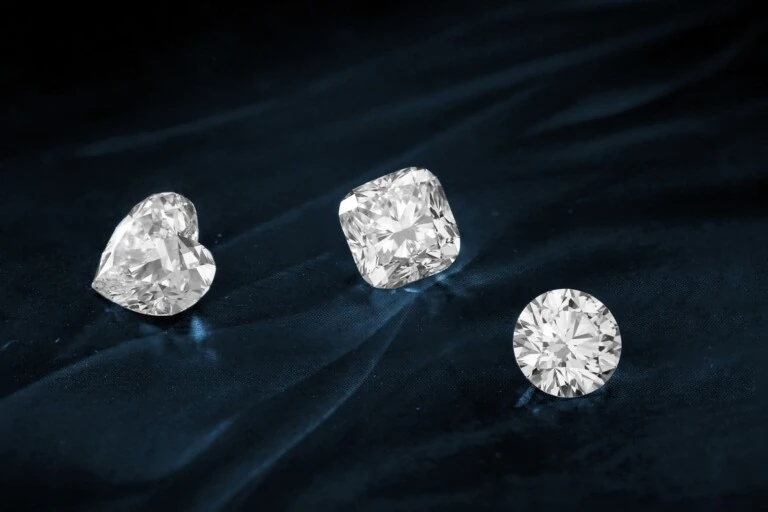
Complete Buyer’s Guide
Lab-grown diamonds have become increasingly popular among buyers searching for modern engagement rings and fine jewelry. As more consumers compare lab-grown stones with natural diamonds, questions about quality, durability, pricing and authenticity continue to grow.
Many shoppers researching what is a lab diamond want to understand how these diamonds are made, whether they are real and how they compare to mined stones. This guide explains the lab grown diamonds meaning, production methods, advantages, pricing differences and key factors buyers should consider before purchasing fine jewelry featuring lab-created diamonds.
What Are Lab-Grown Diamonds?
Definition of Lab-Grown Diamonds
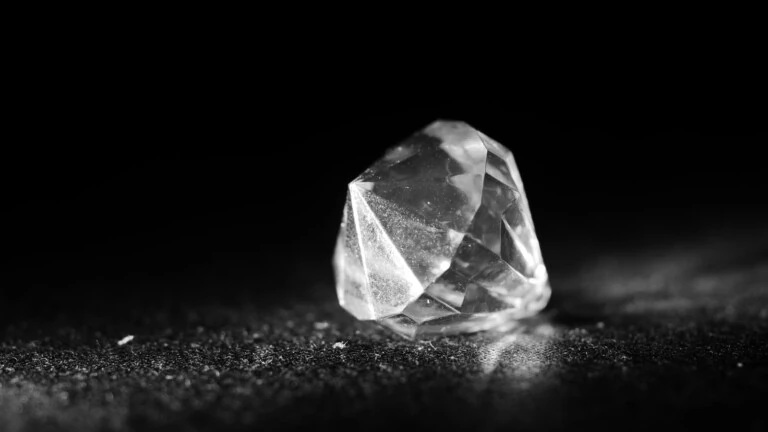
Lab-grown diamonds are real diamonds created in controlled laboratory environments using advanced technology that replicates natural diamond formation conditions. The lab diamonds definition refers to diamonds that have the same physical, chemical and optical properties as mined diamonds.
Unlike diamond simulants such as cubic zirconia or moissanite, lab-grown diamonds contain the same carbon crystal structure found in natural diamonds. This means they display the same brilliance, sparkle and hardness expected from traditional diamonds used in engagement rings and luxury jewelry.
Are Lab-Grown Diamonds Real Diamonds?
Yes. Lab-grown diamonds are considered real diamonds because they share the same composition and characteristics as natural diamonds. Professional gemological laboratories grade and certify them using the same standards applied to mined diamonds.
Organizations such as the Gemological Institute of America and the International Gemological Institute provide grading reports that evaluate cut, clarity, color and carat weight for lab-grown diamonds.
How Are Lab-Grown Diamonds Made?
Definition of Lab-Grown Diamonds
Lab-grown diamonds are real diamonds created in controlled laboratory environments using advanced technology that replicates natural diamond formation conditions. The lab diamonds definition refers to diamonds that have the same physical, chemical and optical properties as mined diamonds.
Unlike diamond simulants such as cubic zirconia or moissanite, lab-grown diamonds contain the same carbon crystal structure found in natural diamonds. This means they display the same brilliance, sparkle and hardness expected from traditional diamonds used in engagement rings and luxury jewelry.
Are Lab-Grown Diamonds Real Diamonds?
Yes. Lab-grown diamonds are considered real diamonds because they share the same composition and characteristics as natural diamonds. Professional gemological laboratories grade and certify them using the same standards applied to mined diamonds.
Organizations such as the Gemological Institute of America and the International Gemological Institute provide grading reports that evaluate cut, clarity, color, and carat weight for lab-grown diamonds.
Lab-Grown Diamonds vs Natural Diamonds
Appearance and Sparkle
Lab-grown diamonds and natural diamonds offer similar brilliance, fire and sparkle. In most cases, differences are impossible to identify with the naked eye.
Durability and Hardness
Lab-grown diamonds rank 10 on the Mohs hardness scale, matching natural diamonds. Their durability makes them suitable for everyday wear, including engagement rings and frequently worn jewelry.
Price Differences
One reason buyers choose lab-grown diamonds is affordability. Lab-created diamonds explained in pricing terms often means customers can purchase larger stones or higher-quality specifications within the same budget.
Environmental and Ethical Considerations
Many buyers consider sourcing transparency and ethical concerns when comparing diamond options. Lab-grown diamonds are often discussed as a modern alternative for customers interested in traceability and controlled production methods.
A Diamond That Matches Your Vision, Not Just Your Budget
Explore diamonds in a variety of shapes, sizes, and price points to see what fits your style and budget.
Advantages of Lab-Grown Diamonds
Better Value for Money
Lab-grown diamonds generally provide larger carat options and higher specifications at lower prices compared to mined diamonds.
Wide Variety of Shapes and Sizes
Customers can choose from multiple cuts, sizes and customization options to match personal preferences and jewelry styles.
Modern Choice for Engagement Rings
Younger buyers increasingly select lab-grown diamonds for engagement rings because of affordability, customization flexibility and modern shopping preferences.
Are There Any Disadvantages to Lab-Grown Diamonds?
Resale Value Considerations
Lab-grown diamonds may have different resale market conditions compared to natural diamonds due to supply and pricing trends.
Consumer Misconceptions
Some consumers still incorrectly assume lab-grown diamonds are imitation stones, despite being real diamonds with certified grading standards.
Market Availability and Pricing Trends
As production technology advances, market availability continues to increase, influencing pricing and consumer accessibility.
How to Choose a Quality Lab-Grown Diamond
Understanding the 4Cs
When comparing diamonds, buyers should evaluate:
- Cut
- Color
- Clarity
- Carat weight
These factors influence appearance, brilliance and pricing.
Why Certification Matters
Diamond grading reports help verify quality and authenticity. Certification provides buyers with transparency regarding diamond characteristics and specifications.
Choosing the Right Diamond Shape
Popular shapes include:
- Round
- Oval
- Emerald
- Cushion
- Pear
- Radiant
Each shape offers a different visual style and overall appearance.
Popular Jewelry Types Featuring Lab-Grown Diamonds
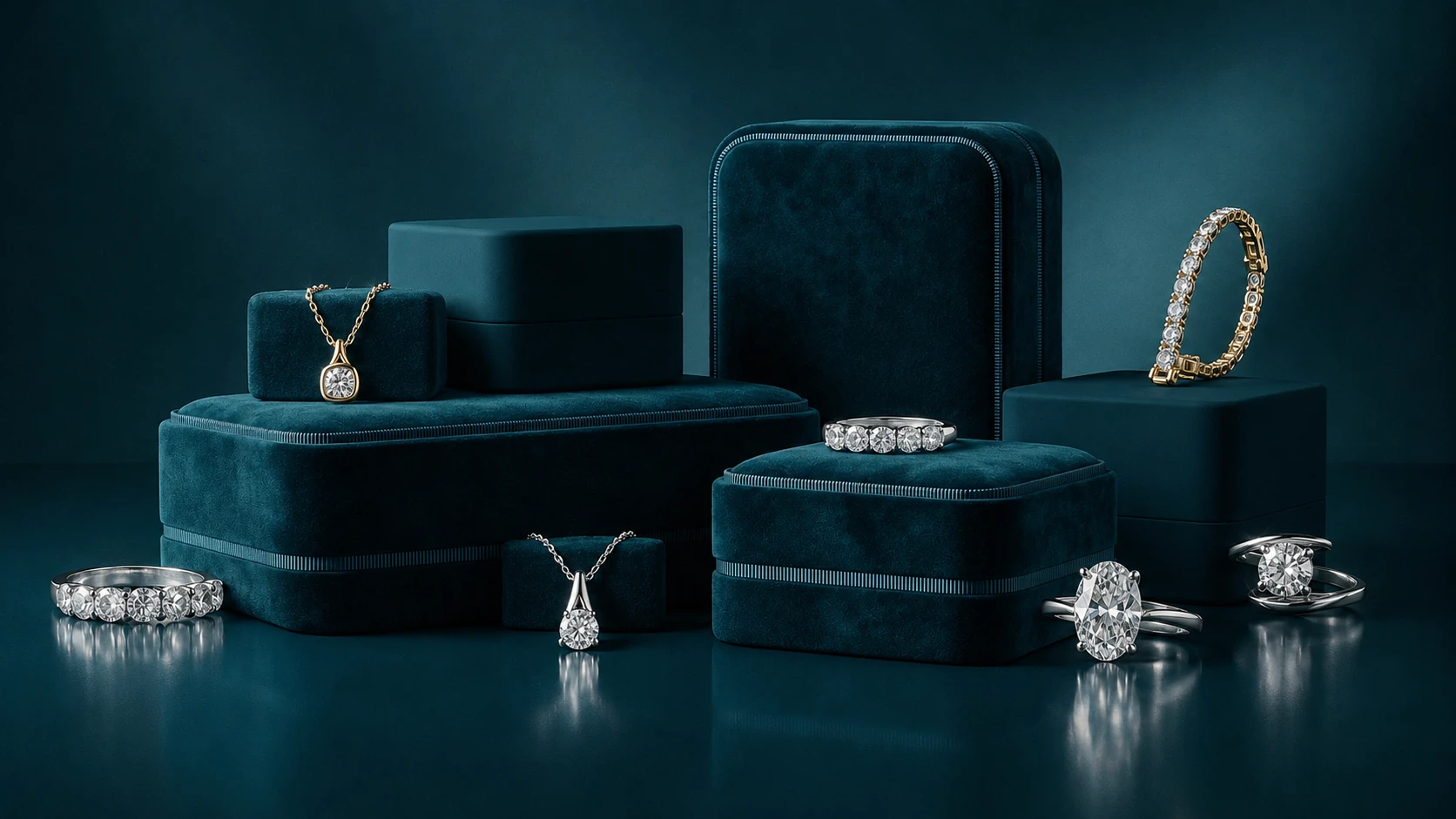
Lab-Grown Diamond Engagement Rings
Engagement rings remain one of the most popular jewelry categories featuring lab-grown diamonds.
Earrings and Studs
Diamond earrings and studs offer timeless versatility suitable for everyday wear and special occasions.
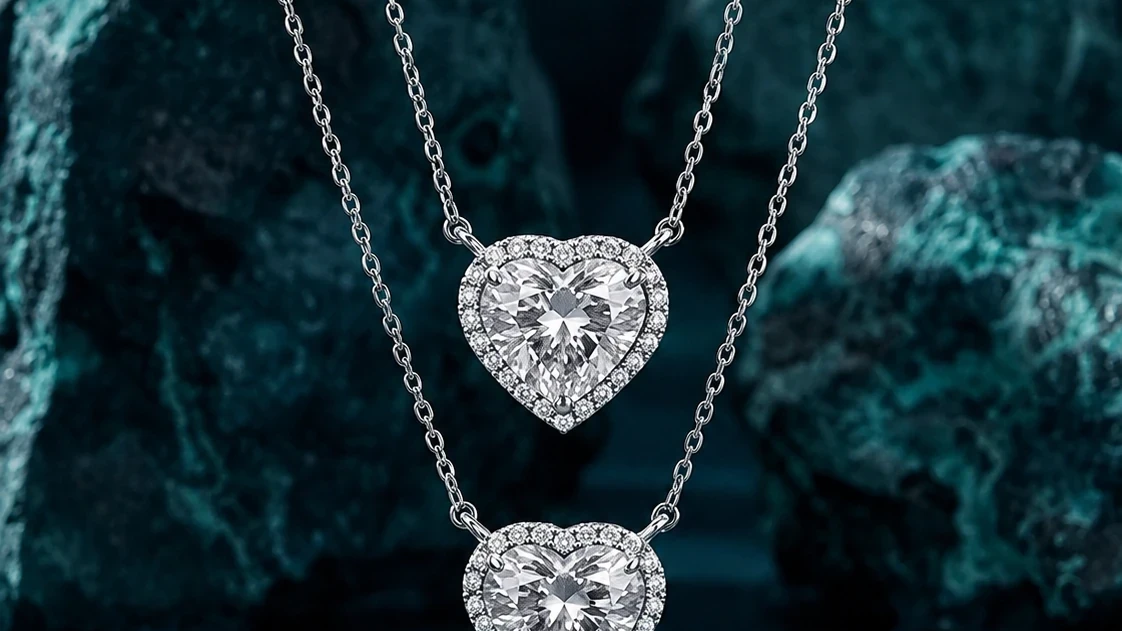
Tennis Bracelets and Necklaces
Tennis bracelets and necklaces featuring lab-grown diamonds provide elegant styling with classic appeal.
Custom Fine Jewelry Designs
Lab-grown diamonds are widely used in personalized jewelry projects and custom fine jewelry designs.
Why More Buyers Are Choosing Lab-Grown Diamonds
Consumer preferences continue shifting toward affordability, customization, accessibility and online jewelry shopping convenience. Many buyers appreciate the ability to select larger stones, personalized designs and certified diamonds within flexible budgets.
Explore Lab-Grown Diamond Jewelry at HVJ Diamonds
HVJ Diamonds offers engagement rings, custom jewelry, earrings, bracelets, necklaces and modern diamond styles featuring certified lab-grown diamonds. Customers can explore fine jewelry collections online while comparing shapes, carat weights and premium metal options designed for different preferences and occasions.
Whether you are shopping for a proposal, anniversary, or personal collection, HVJ Diamonds provides a convenient online experience supported by quality craftsmanship and elegant jewelry designs.
Conclusion
Lab-grown diamonds are real diamonds created using advanced technology that replicates natural formation conditions. Their growing popularity comes from affordability, customization flexibility and accessibility across modern fine jewelry collections.
When comparing options, buyers should evaluate certification, quality, budget, design preferences and long-term goals before selecting the right diamond jewelry piece.
Frequently Asked Questions